
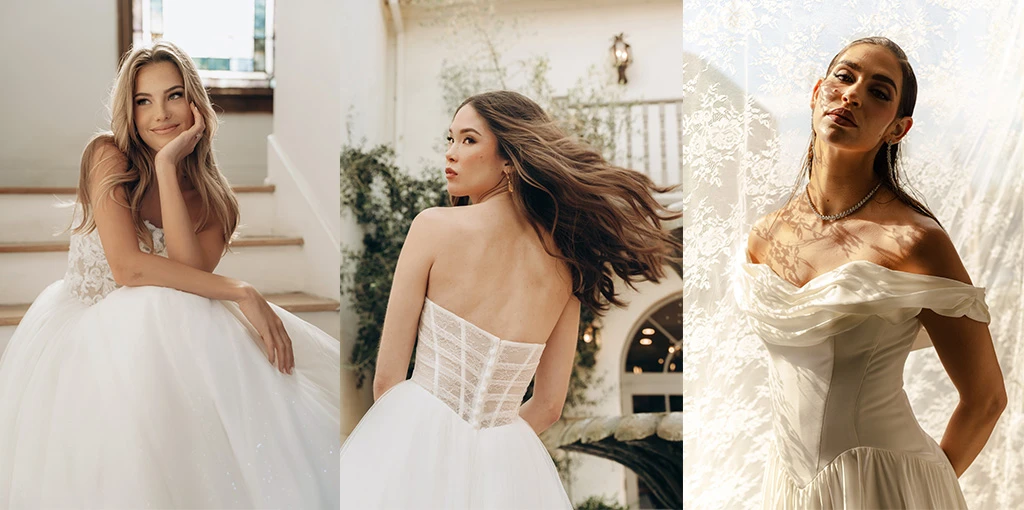
Finding your wedding dress is a major milestone. Wedding dress alterations are what transform that beautiful gown into a look that feels beautifully fitted to you.
Wedding dress alterations are adjustments made to your gown after it arrives, such as shortening the hem, refining the bodice, adjusting straps or adding a bustle so the train can be lifted for the reception. Even if your gown was ordered in the correct bridal size, some alterations are completely normal. Wedding dresses are made according to standard size measurements, while your body has its own unique proportions.
Most brides book their bridal alterations professional as soon as their dress is ordered, then begin the actual fitting appointments about 8 to 12 weeks before the wedding. Costs vary depending on your gown’s fabric, construction and the amount of tailoring required.
Still figuring out when to shop, order your dress or choose accessories? Start with our Wedding Dress Shopping Timeline. If your gown is already ordered, this guide will walk you through wedding dress alteration costs, the fitting process, common adjustments, customization possibilities and what to expect before your wedding day.
What Are Wedding Dress Alterations?
Wedding dress alterations are changes made to a gown so it fits your body, works with your height and shoes and feels comfortable to wear throughout your wedding day.
Think of the gown you ordered as the starting point. Once it arrives, an alterations professional -or bridal seamstress – can refine the fit especially for you.
A bridal seamstress is a professional who specializes in tailoring wedding dresses. Because bridal gowns often contain multiple fabric layers, boning, lace, beadwork, trains and other detailed construction, working with someone experienced in bridal alterations can be especially helpful.
How Much Do Wedding Dress Alterations Cost?
Wedding dress alterations often cost several hundred dollars, while extensive tailoring or customization can cost $1,000 or more. Your final price depends on your gown’s fabric, construction, embellishments, location and the specific alterations required.
There is no universal price because every gown — and every bride — is different. A simple strap adjustment is a very different project from reshaping a structured bodice or hemming multiple layers of embellished lace.
Details that can affect your wedding dress alteration cost include:
- The number of skirt layers that need to be hemmed
- Lace, beading or appliqués that need to be removed and reapplied
- Boning, corsetry and other internal construction
- Bodice, waist or hip adjustments
- Train length and bustle complexity
- Adding sleeves, lining or other customization
- Your location and alterations professional
- Rush work or a shortened fitting timeline
When planning your wedding dress budget, treat alterations as a separate expense instead of assuming they are included with your gown. Once your dress arrives, your alterations professional can examine the gown, discuss what you would like to change and provide a more individual estimate.
When Should Wedding Dress Alterations Start?
Most brides begin wedding dress alterations about 8 to 12 weeks before the wedding, with the final fitting typically taking place 1 to 3 weeks before the celebration.
There are two timelines to think about: when you reserve an alterations professional and when the actual fittings begin.
Experienced bridal seamstresses can book appointments months in advance, especially during busy wedding seasons. You can often reserve your place on their calendar before your dress is ready for alterations.
As Soon as You Choose Your Gown: Ask About Alterations
Before you leave the bridal boutique, ask how alterations are handled.
Some bridal stores offer alterations in-house. Others work with independent seamstresses or can provide recommendations for experienced local professionals.
Knowing the process early can make the months leading up to your wedding feel much more straightforward.
8-12 Weeks Before: First Wedding Dress Fitting
Your first fitting us usually when the alterations professional sees you in your actual gown and determines what needs to change. You will put on the dress, and the seamstress may pin or mark areas that need to be shortened, taken in or adjusted.
Do not be surprised if the gown does not immediately fit exactly as you imagined. This appointment is designed to identify those adjustments.
Bring your wedding shoes and the undergarments or shapewear you plan to wear, since both can affect how the gown sits on your body. This is also a good time to discuss your bustle and any remaining customization.
3-5 Weeks Before: Refinement Fitting
At your next fitting, you will begin to see the results of the initial alterations.
The bodice may feel more secure. The hem may be closer to its final length. Your seamstress can evaluate the changes and make any additional refinements.
Walk around the room. Sit down. Lift your arms. Turn around. Make sure the gown feels comfortable beyond simply standing in front of a mirror.
1-3 Weeks Before: Final Wedding Dress Fitting
Your final fitting is the moment to see how the complete look comes together.
Try on your shoes, planned undergarments and any accessories and pay attention to how the complete look feels. Practice movement, navigating the skirt and understanding how your gowns bustle works.
You can also ask how your gown should be stored and transported after the fitting. If you are traveling for your wedding, plan your alterations around the date you leave, not the ceremony date.
What Are the Most Common Wedding Dress Alterations?
If this is your first experience with any tailoring, it can help to know what some of the most common alterations actually involve.
Hemming a Wedding Dress
Hemming means shortening the bottom of the dress so it falls at the right length with your wedding shoes. This is one of the most common bridal alterations.
Your seamstress will determine the hem while you are wearing the shoes you plan to wear on the wedding day. That is why bringing the same shoes to your fitting is important.
A clean satin skirt may appear simple, but its smooth surface can make precision especially noticeable. A lace gown with a decorative border may require trim or appliqués to be carefully removed and repositioned when the length changes.
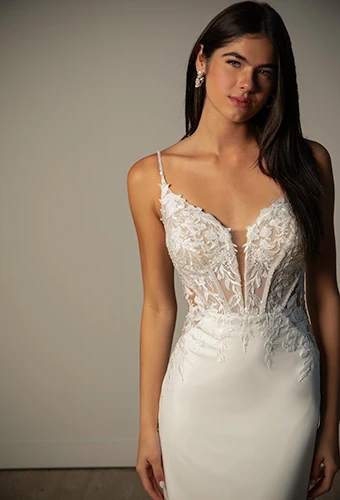
Adjusting the Bodice, Bust or Waist
The bodice is the upper portion of your wedding dress.
A seamstress may take in the waist, refine the bust, adjust the hips or shorten straps so the gown follows your shape more naturally.
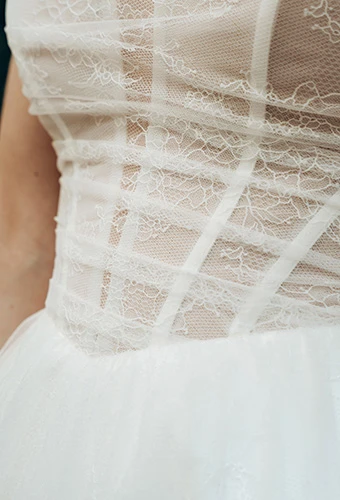
Intricate designs can require additional handwork. A gown with a corset bodice, shimmering lace or floral appliqués may involve carefully working around decorative details.
A well-tailored bodice should not only look beautiful. It should also help you feel secure while walking, sitting and celebrating.
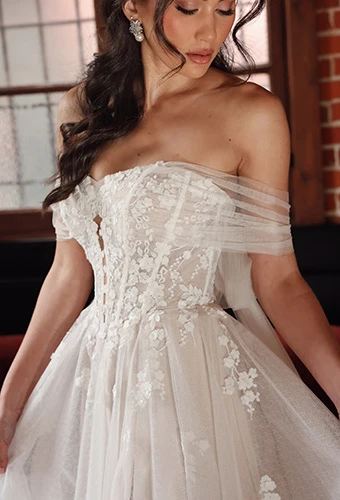
Adjusting Wedding Dress Straps
If your gown has straps, they may need to be shortened or repositioned.
Straps that are too long can slide off the shoulders or affect the position of the neckline. Adjusting them can help the bodice sit more securely and comfortably.
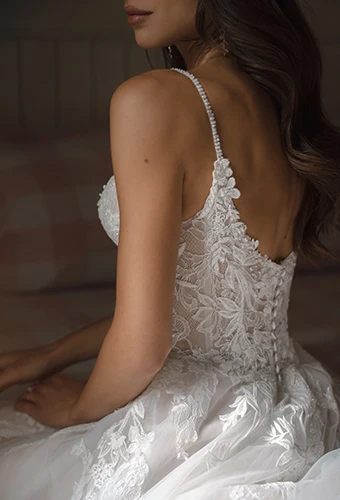
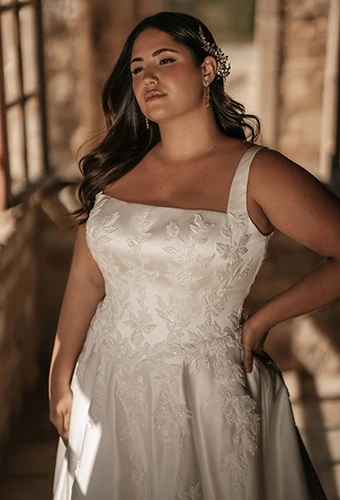
Adding Cups or Internal Support
Some brides choose to add or adjust cups inside the bodice for additional shaping or support.
Whether this is needed depends on the construction of your gown, your undergarments and your personal comfort preferences. Your seamstress can help you understand what is possible without changing the intended shape of the dress.
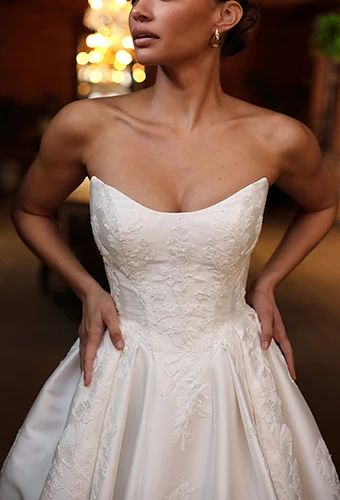
Adding a Wedding Dress Bustle
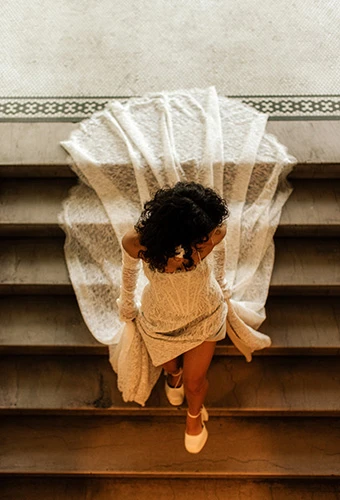
A bustle is a system that lifts and secures the train of your wedding dress after the ceremony so it does not drag behind you throughout the reception. Small loops, buttons, hooks or ribbons are typically added to the gown so the train can be gathered into a shorter shape.
For a gown with a statement train, bustle placement is both functional and aesthetic. Your seamstress can recommend a bustle that works with the weight, length and design of your train.
Tip: Bring the person who will help bustle your dress to one of your final fittings. Take a quick video of the process so you have an easy reference on the wedding day.
Wedding Dress Alterations vs. Customization: What’s the Difference?
Wedding dress alterations primarily adjust the fit or function of a gown. Wedding dress customization changes or personalizes elements of the design.
For example:
- Shortening a hem is an alteration
- Taking in the waist is an alteration
- Shortening straps is an alteration
- Adding sleeves is usually a customization
- Adding more coverage may be a customization
- Significantly changing a neckline is usually a customization
There can be some overlap, but the distinction is useful because major design changes may require more time, expense and reconstruction than standard fit adjustments.
The most important question is not simply, can this be changed? It is also, when is the best time to make that decision?
What Can You Customize on a Wedding Dress?
Depending on the design and construction of your gown, possible wedding dress customization options include:
- Adjusting or adding straps
- Exploring sleeve options
- Adding lining or coverage
- Refining a neckline
- Adding cups or internal support
- Creating or adjusting a bustle
- Adding selected lace appliqués or embellishments
Not every customization is possible, or recommended, for every gown. Structural changes can affect the support, proportions and original design, so major modifications should always be evaluated by a professional.
How Fabric and Silhouette Affect Wedding Dress Alterations
Two gowns may need what sounds like the same alteration but require very different amounts of work. The reason often comes down to fabric, construction and silhouettes.
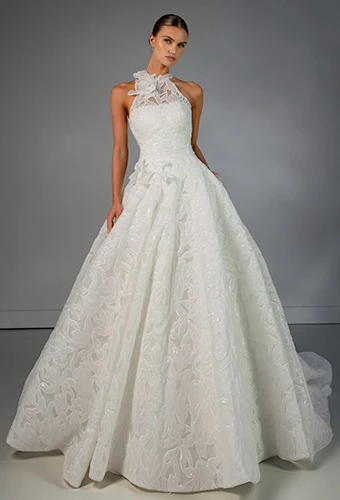
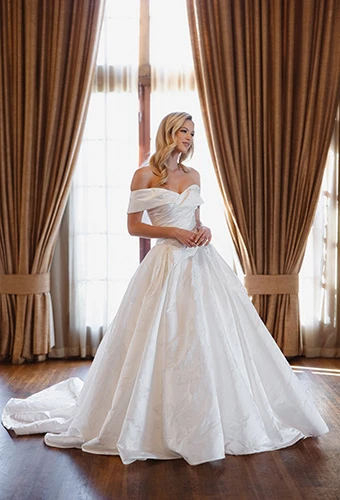
A-Line and Ballgown Wedding Dresses
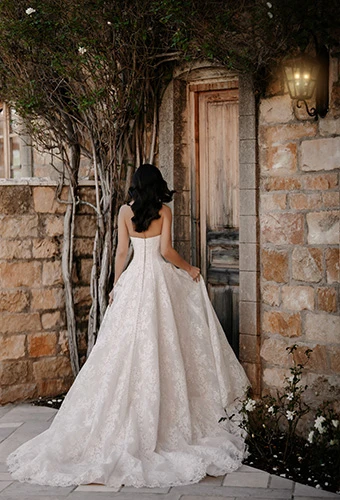
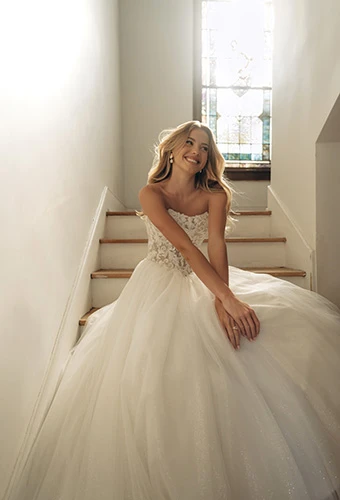
A-line and ballgown skirts may contain several layers of fabric, making the hemming process more involved. Long or voluminous trains can also require thoughtful bustle construction.
During your fitting, check that the bodice feels secure while the skirt still allows you to move comfortably.
Fit-and-Flare and Mermaid Wedding Dresses
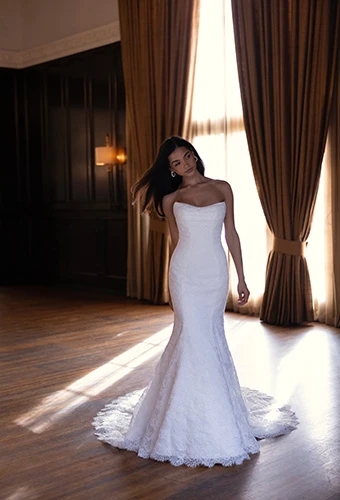
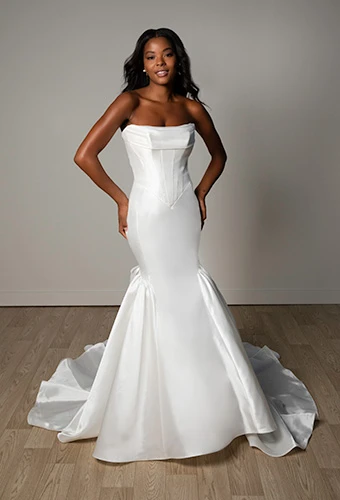
Fitted silhouettes rely on proportion through the bust, waist, hips and thighs. Even small tailoring changes may have a noticeable effect on the overall shape.
Movement is especially important. Make sure you are not restricted when sitting, taking full steps, turning and walking. Your dress should move with you, not simply look beautiful while you stand still.
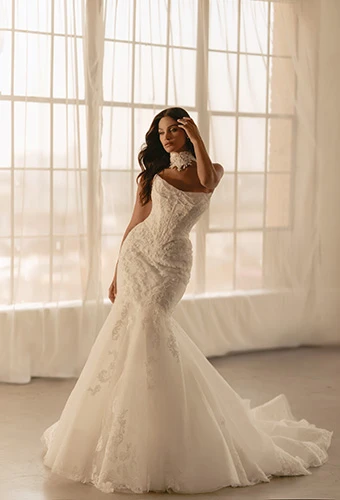
Lace and Embellished Wedding Dresses
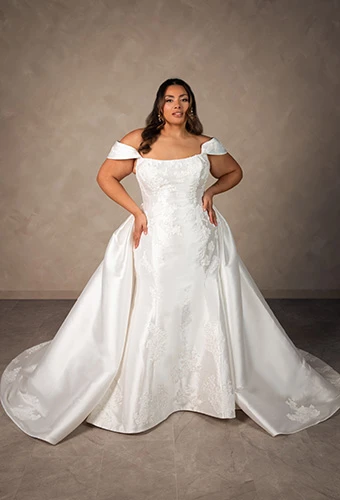
Intricate lace, beadwork and appliqués can require more time because decorative elements may need to be carefully lifted before a seam is changed and then reapplied afterward.
This craftsmanship is one reason why seemingly similar alterations can involve very different amounts of work.
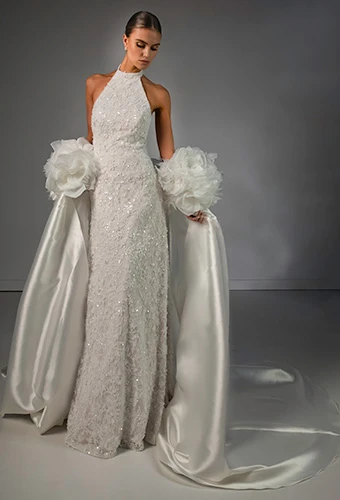
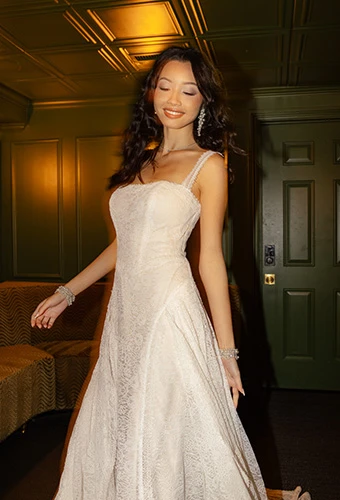
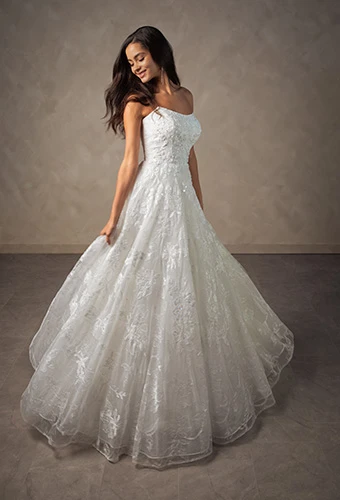
Satin, Mikado, and Minimalist Wedding Dresses
Minimalist gowns still require skilled tailoring.
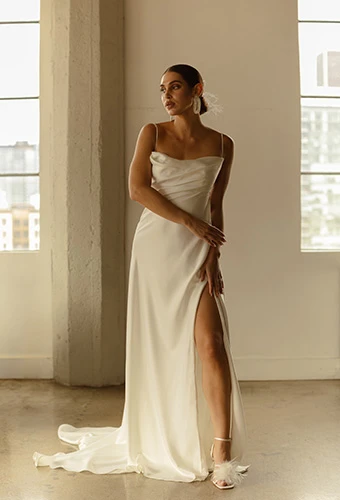
Smooth surfaces can make seams and proportions especially visible, so precision matters. With clean fabrics and designs, tailoring becomes an essential part of the finished look.

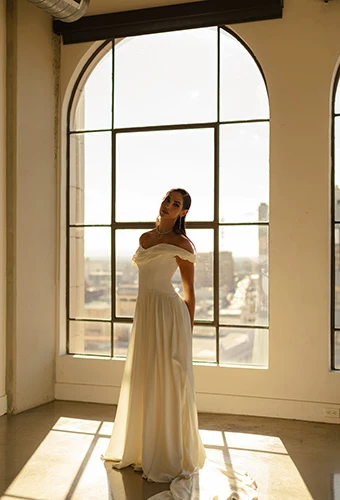
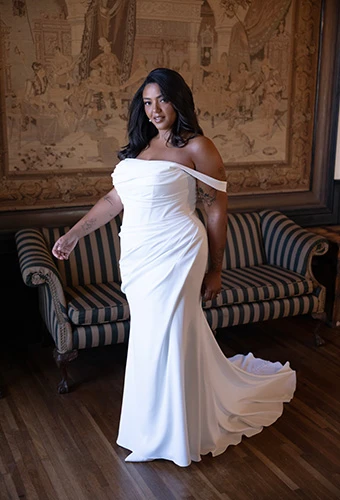
Wedding Dress Alteration Tips by Bride and Venue
Wedding Dress Alterations for Petite Brides
For petite brides, proportion can matter just as much as hem length.
Shortening a gown is not always as simple as removing fabric from the bottom, particularly when a skirt includes lace borders, embroidery or other statement details.
Ask your seamstress how hemming may affect those design elements and whether additional adjustments could help preserve the gowns original proportions.
Alterations for Plus-Size Wedding Dresses
Focus on support, proportion and comfortable movement rather than the number on the gown tag.
Thoughtful adjustments through the bust, waist, straps or hips can help create a secure fit while preserving the silhouette and design you loved during your bridal appointment.
Alterations for Outdoor and Destination Weddings
Think about where you will actually wear your gown.
Grass, gravel, sand, stairs and uneven pathways may influence your hem and train decisions. Discuss how you will move from ceremony to portraits to reception and whether a secure bustle would make those transitions easier.
For destination weddings, remember to finish your alterations before your departure date and ask your boutique or seamstress for advice on transporting the gown.
Alterations for Formal Indoor Weddings
A dramatic train can make its full statement during the ceremony while a thoughtfully designed bustle provides more freedom later.
Consider the venue layout as well. Long aisles, staircases and outfit changes may all affect how you want your gown to move throughout the celebration.
What to Bring to a Wedding Dress Fitting
Your first fitting does not require an elaborate packing list, but bringing the right items helps your seamstress make accurate adjustments.
Bring:
- Your wedding day shoes (or shoes with a similar height)
- The undergarments or shapewear you plan to wear
- Your veil or other important accessories for a later fitting
- Any questions about comfort, movement or customization
- A trusted person for a bustle lesson at one of your final appointments
During the fitting, do more than stand in front of the mirror. Practice walking, sitting, turning, raising your arms and a few dance steps. These simple movements can reveal fit issues that may not be obvious while you are standing still.
How to Budget for Wedding Dress Alterations
Start thinking about alterations while you are shopping rather than waiting until your wedding dress arrives.
If you fall in love with an intricate lace design, layered ballgown or highly structured silhouette, ask your bridal stylist how those details may affect the alterations process.
If you are already imagining sleeves, added coverage or another design change, mention it before ordering the gown. There may be a designer option that achieves your vision with less alteration work later.
Once fittings begin, prioritize the essentials first:
- Proper fit
- Support
- Comfortable movement
- Hem length
- Bustle functionality
Then consider optional customization within the budget and timeline you have available.
Starting early can also help. A shorter alterations schedule may limit what can realistically be changed and could involve additional rush fees depending on your alterations professional.
From Dream Gown to a Fit That Feels Like You
Choosing your wedding dress is one of the most memorable parts of the bridal journey. Alterations are where the details become even more personal – refining the proportions, movement and fit so your gown feels as beautiful to wear as it looks.
Explore wedding dresses from Essense of Australia, Stella York, All Who Wander and Martina Liana, and save the silhouettes, fabrics and design details that reflect your unique style. When you visit an authorized retailer, your bridal stylist can help you understand sizing, available design options and alteration considerations before your gown is ordered.
Ready to experience the gowns in person? Use our Store Locator to connect with an authorized bridal boutique near you and take the next step toward a wedding-day look that feels radiant, confident and entirely your own.
Wedding Dress Alterations FAQs
Many wedding dresses benefit from at least minor alterations because standard bridal sizing cannot account for every bride’s individual proportions. Some gowns may only need a hem or strap adjustment, while others require more extensive tailoring.
Plan for alterations as a separate part of your wedding dress budget. Straightforward adjustments may cost several hundred dollars, while intricate tailoring, detailed fabrics or extensive customization can increase the total. Your bridal boutique or alterations professional can provide the most accurate estimate for your gown.
The alterations process generally takes place over several weeks and may involve multiple appointments. Beginning your fittings about 8 to 12 weeks before the wedding is a useful guideline, but always follow the timeline recommended by your seamstress.
Three fittings are common, but the exact number depends on your gown and the work being completed. Some brides may need fewer appointments, while complex alterations may require additional fittings.
Sometimes. How much a wedding dress can be let out depends on its seam allowances, fabric and construction. An experienced bridal seamstress will need to inspect the gown before determining what is possible.
Potentially. Whether sleeves can be added depends on the construction of the bodice and the sleeve design you have in mind. Ask your bridal stylist whether your gown already offers a sleeve or strap option before planning a major alteration.
Often, but the ideal solution depends on the individual gown. Some wedding dresses are already available with lined and unlined options, so discuss your coverage preferences when placing your order.
Whenever possible, discuss your customization ideas while shopping. Your gown may already offer designer-created options for straps, sleeves, lining or other details. Changes that are not available when ordering can then be evaluated by an experienced bridal alterations professional.